There are a few health and hygiene essentials for foreigners visiting India that just cannot be overlooked. India is a diverse country with many experiences, but it is important to take care of yourself while exploring this beautiful country. Read on to find out a few health and hygiene essentials you should remember before traveling to India.
How to prepare before traveling to India?
Vaccines
4 to 6 weeks before your trip, consult your doctor for the recommended vaccinations for India. Usually it is a good idea to take vaccines for Typhoid, Rabies, Hepatitis A and B, Tetanus, Japanese Encephalitis, and COVID-19.
Travel insurance
Make sure to get travel health insurance. While not recommended, it can be a great help in case something goes wrong. Make sure that your insurance covers medical emergencies and adventure activities.
Keep a list of your blood type, allergies, and prescription drugs, along with the local hospitals in the areas you are visiting.
See also: Essential travel documents for foreigners to carry to India

What are some Health and hygiene essentials for India?
First aid kit
- Your first aid kit should include band-aids, bandage, medical tape, antiseptic ointment, antifungal cream, and cotton, along with your personal medication.
- Keep your prescribed medicines in the original containers, along with some painkillers, antacids, and anti-diarrheal medicines.
- Also keep some Oral Rehydration Salts (ORS) in your kit.
- If you get any cuts on your skin, make sure to wash them thoroughly and keep them bandaged. Avoid contact with soil or contaminated water.
Protection from bugs and mosquitoes
- Mosquitoes are a problem in many parts of India, so it is a good idea to carry bug spray and mosquito repellent, especially if you are traveling to the rural areas.
- A bed net or permethrin-treated clothing are also great options if you are going to be sleeping in open places like tents and campsites.
- Wearing covered clothes can also help reduce mosquito bites and insect stings.
Sanitation
- Carry a hand sanitizer with more than 60% alcohol content. Carry dry and wet tissues with you anywhere you go.
- Unfortunately, clean public washrooms are hard to find in India. Try to use washrooms in restaurants and cafes. Carry toilet paper and toilet seat sanitizer with you.
- Keep basic toiletries like toothbrush, toothpaste, soap or body wash, and hygiene products handy.
- Sanitary napkins are easily available in most pharmacies and medical shops in India, but it is a good idea to carry a pack with you just in case.
Sun protection
The sun in India is extremely harsh, so it is very important to take all the necessary precautions against intense heat.
- Use a good quality sunscreen, preferably SPF 50.
- Wear loose, breathable cotton clothes that cover your body so that you avoid any tans and still do not feel very hot. It is also advisable to carry a hat or a cap and sunglasses.
- Carry a packaged drinking water bottle or refillable bottle with you everywhere. You can also keep electrolyte or ORS handy if you are going to walk a lot.
- Excessive caffeine and alcohol can dehydrate you. On the other hand, fresh coconut water is the safest option to stay hydrated.
- Also include water-based fruits like watermelon, oranges, and grapes in your diet.
Food and water essentials
- Drink only bottled water in India, or water that is filtered, boiled, or treated. Do not drink tap water anywhere in India. Do not use tap water even for brushing your teeth.
- Avoid ice unless you know it was made from safe water.
- You can carry bottles with built-in filters, purification tablets or UV pens that can treat water on the go.
- Indian food is one of the best cuisines in the world, but you need to ease into it. The spices and heat can be too much for those not used to the intense flavor, so start slowly and then build up on your heat tolerance.
- Delhi Belly, or traveler’s diarrhea, is a common occurrence among foreigners visiting India who do not have much experience with the local Indian food. If that happens, make sure to stay hydrated and eat only light food and fruits.
- Wash your hands before and after eating every time.
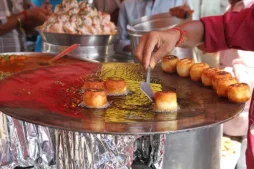 Street food in India can often be unhygienic
Where to seek help?
- 112 is the emergency number in India. Save this number along with your embassy’s contact details.
- India has many local clinics and hospitals in most places. Keep in mind the locations of the nearby hospitals.
- Most cities will have English-speaking doctors so language will not be an issue. You can ask your hotel or hostel staff to help you connect with a doctor.

Things to note
- Street food is a big part of India and you cannot leave without trying at least some of the delicious street fares the country has to offer. Hygiene is a big issue when it comes to street food, though, so make sure to buy from sellers with a high turnover. Hot food that is being prepared in front of you is safe to eat.
- Avoid sharing personal items like towels and bedding with other people to reduce any risk of skin infections.
- Indian toilets usually only have water and no toilet paper, so it is important that you carry some with you.
- N95 masks are necessary in some parts of the country due to extreme dust and pollution.
- If possible, dry your clothes in the sun, since sunlight will naturally disinfect your clothes.

Did you find this guide helpful? Let us know! At India Someday, we curate personalized trips to India for you based on your likes and dislikes. Contact us and together we can plan the perfect trip to India for you.
Frequently Asked Questions
A few things to remember to avoid getting sick in India are: Watch what you eat and drink. Carry bug spray or mosquito repellent. Only drink packaged water. Eat light and develop a taste for Indian cuisine slowly and steadily. Use plenty of sun protection.
You should bring any prescription medicines you may have, painkillers, allergy medicines, antacids, anti-diarrheal medicines, and motion sickness and altitude sickness medicines.
No, it is recommended for foreign tourists to use bottled, boiled, or filtered water to even brush their teeth. Tap water can be harmful especially if you have a sensitive stomach.
Many hotels and most homes use RO-filter or UV-purifier as a source of drinking water, so it is generally safe to drink.
Yes, hot coffee is perfectly safe to drink in India.

About Aishwarya Shete
Aishwarya Shete is a content writer at India Someday. Her passions are writing, photography, and more importantly, food. She hopes to travel the world someday and document it through her pictures and words.
helping you travel your way
Everything you need to know about India is here We have tried writing about everything you may need help with for your trip to India, If you need help in planning a trip to India Get in touch with us to to plan your trip of a life time.